
paid only
The Last Frontier: How Louis L'Amour's Son Is Fighting Publishing's 'Men Don't Read' Myth
The Truth About Men's Reading Habits and Why Traditional Publishers Are Missing a Massive Opportunity
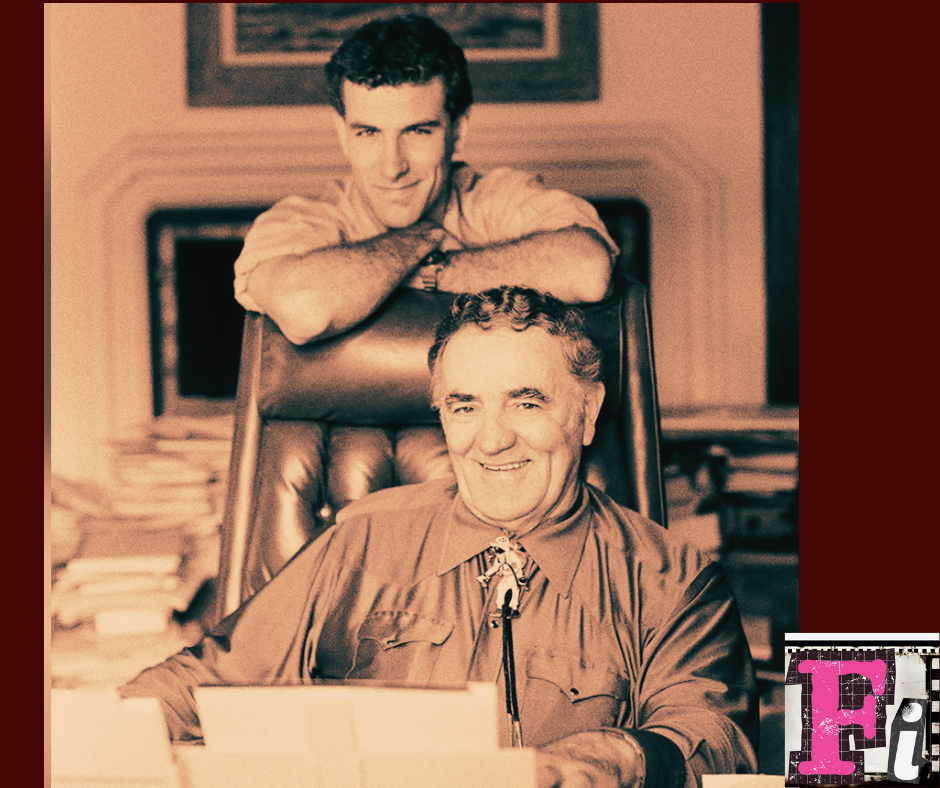
When my video about the absence of contemporary men's fiction went viral last month, I struck a nerve that resonated far beyond my usual audience. The comment section flooded with responses from men who felt invisible in today's publishing landscape—readers hungry for stories that spoke to their experiences (from their perspective) without apology. Among the avalanche of messages that landed in my inbox was one that stood out: an email from Beau L'Amour, son of legendary author Louis L'Amour and custodian of one of the most successful literary legacies in American history.
Louis L'Amour's novels have sold over 330 million copies worldwide, making him one of the most commercially successful authors of all time. His son Beau has spent decades not only maintaining this legacy but expanding it through audio productions, film adaptations, and careful curation of previously unpublished works. Yet he operates in an industry increasingly skeptical about fiction aimed at male readers.
"I can't tell you how many times in the last two decades I have been informed, 'men don't read,'" he wrote to me. "That's by people in publishing, people I work with. People who know my business is still selling male-oriented fiction and is, year on year, among the top 50 authors in the world."
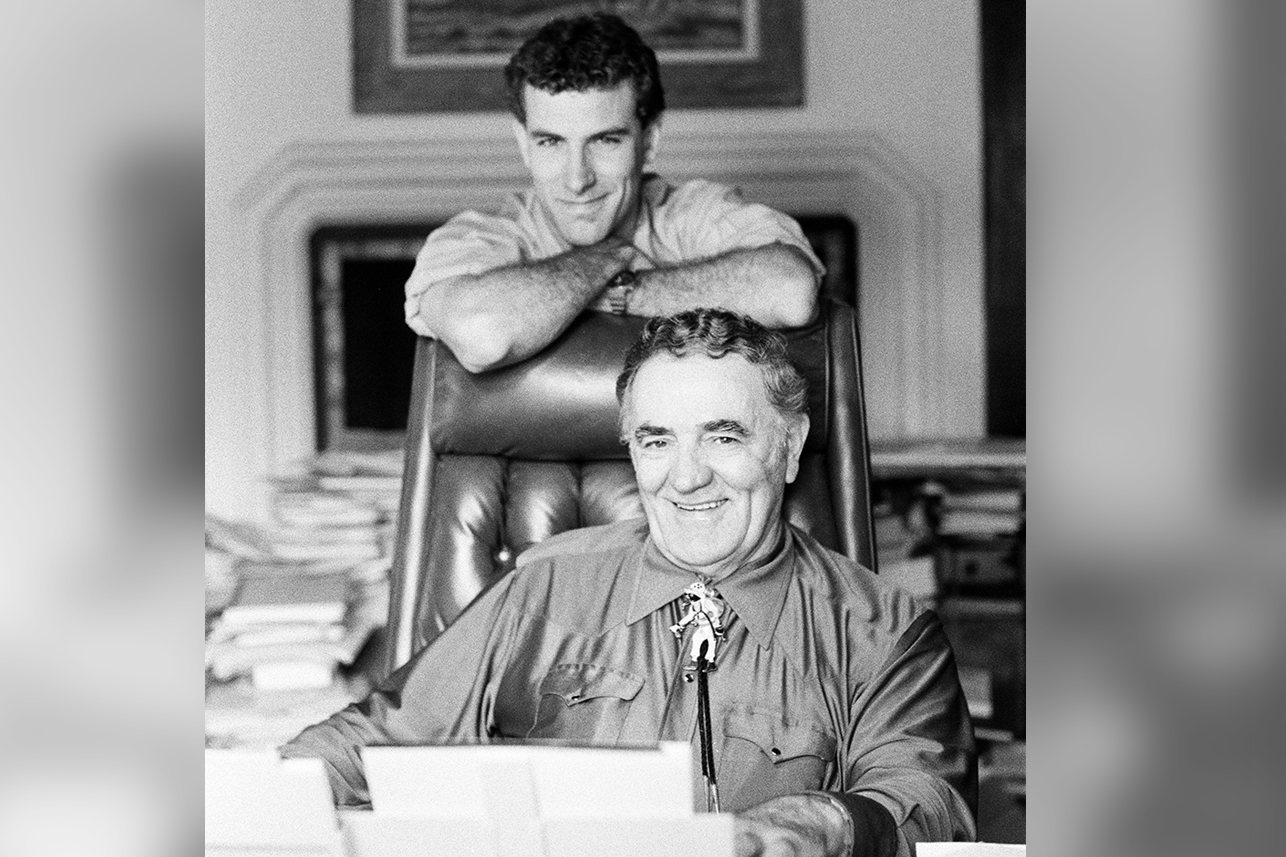
The disconnect couldn't be more stark: while publishing executives declare the male reader extinct and focus on female-centric romantasy, L'Amour's frontier tales continue to sell millions of copies annually. Having worked in the business since the 1980s and grown up around it since the 1960s, Beau was kind enough to offer his view of how the industry has evolved—and what's been lost along the way.
In an era when publishing houses increasingly focus on female readers—who, admittedly, buy more books—Beau L'Amour stands as both a veteran of the “good ol’ days” and perhaps the most clear-eyed critic of the present. Our conversation touched on a lot of topics, all while circling back to a simple truth that the industry seems determined to forget: men do read, if you give them stories worth reading.
The Keeper of the Frontier: Beau L'Amour on His Father's Legacy and Publishing's Forgotten Male Readers
K: You’ve been in the the publishing business since the 1960s. What are the most significant changes you've witnessed in how publishers approach male-oriented fiction over those decades?
B: I think you need to start by looking at the pulp magazines of the pre WWII years. That’s the business the paperback industry grew out of and it’s also the origin point for many popular authors of the mid 20th century, the ones who inspired a lot of young men to love reading . The pulps divided up fiction genres into dozens of tightly targeted categories, to the point where you had things like “Ranch Romances,” which published vaguely female-oriented westerns, and “Sky Fighters,” which was all aviation focused adventure stories.
The landscape was filled with material aimed at boys and men, as well as women. There were hard boiled crime stories, which I consider different from ‘whodunit’ style mysteries, which are often more popular with the female audience. There was the high adventure genre (ala Raiders of the Lost Ark), science fiction, and westerns, all of which tended to be long on plot, often referencing hardware of some sort, and were kind of “outward facing,” and thus male oriented.
When the paperback book business started, after WWII, each publisher maintained racks of their own authors and various types of books intermixed. As the selection of books grew larger and paperbacks migrated more and more into bookstores and away from magazine stands, this became awkward and disorganized. By the late 1950s the booksellers were calling for what they, somewhat ironically, termed “integration.”
This meant all the publishers’ products would be mixed together, but there had to be some kind of organizing principle to help the customer discover the sort of thing they wanted to read. That’s where the modern, limited, and rigid, version of category or genre fiction was born.
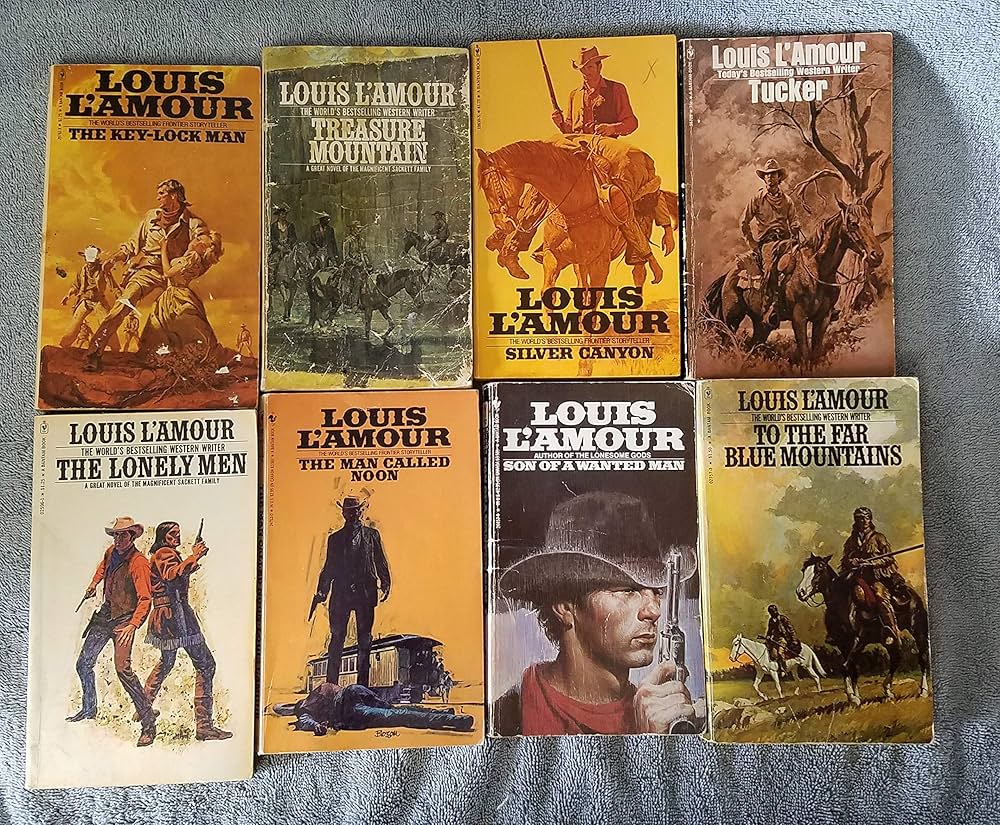
The paperback business, in the early days, was mostly run by men. Sales departments still had guys who had grown up in the mob-controlled world of magazine distribution, where newsboys would knife each other to get the best corner. The editorial and executive suites were full of war veterans, at Bantam several had belonged to the OSS, sort of a WWII mixture of the CIA and the Green Berets.
They were, however, business men. They were not disconnected from the companies profits by many layers of management or the ownership of another, larger, corporation. They clearly recognized the sales potential of material aimed at women and they also stood behind female authors.
The benchmark for sales in my father’s era was Agatha Christie, with other authors like Barbra Cartland and Jackie Collins also racking up significant sales. There were even standouts in the more male oriented genres of hard boiled crime, Patricia Highsmith, and science fiction, Alice Mary “Andre” Norton. I’m just pulling all this from memory, I’m sure I’m missing many names and details.
It was generally accepted that male readers would head toward westerns, crime stories, and science fiction, while women would choose romance, whodunnits, fantasy, historical fiction and a sort of “contemporary social drama” that fell under the general fiction banner.
It was possible that women also read a bit more “classic literature” in those days but I’m not sure this is true. It’s an odd distinction because a good deal of it, think of Dumas and Dickens, was just well done popular fiction that had stood the test of time.
In my opinion, the type of material that was published improved but did not change all that much until the late 2000s … with two exceptions.
This post is for paying subscribers only
Subscribe to continue reading
Written by