
Why 90 Million Readers Abandoned Traditional Books
The Rise of Web Novels and My Serial Experiment

The last book I wrote was a demoralizing experience. A write-to-market experiment that produced a serviceable novel, an okay launch, but killed my desire to write for a long time. Just about every WIP I had went in the trash.
It didn’t feel like there was a point.
Running an editing business, I know the odds better than most. Over 4 million books were published in 2022 alone. That's 11,000 new titles hitting the market every single day and the average book now sells fewer than 200 copies in its lifetime. Most disappear into the digital void within months of release. That’s ALL books, btw. Not just indies.
You hear the refrain from aspiring authors all the time: “I don’t WANT to be a marketer! I am an artist. I want to WRITE!” But the novel publishing system is now, and ever has been, a business. What is a genre? It’s a sales category. What is a cover? A piece of marketing.
And the biggest problem is that a lot of aspiring writers are trying to be good at something they don’t actually want to do: sell novels through a bookstore. They think they want that. But they don’t.
And neither do I.
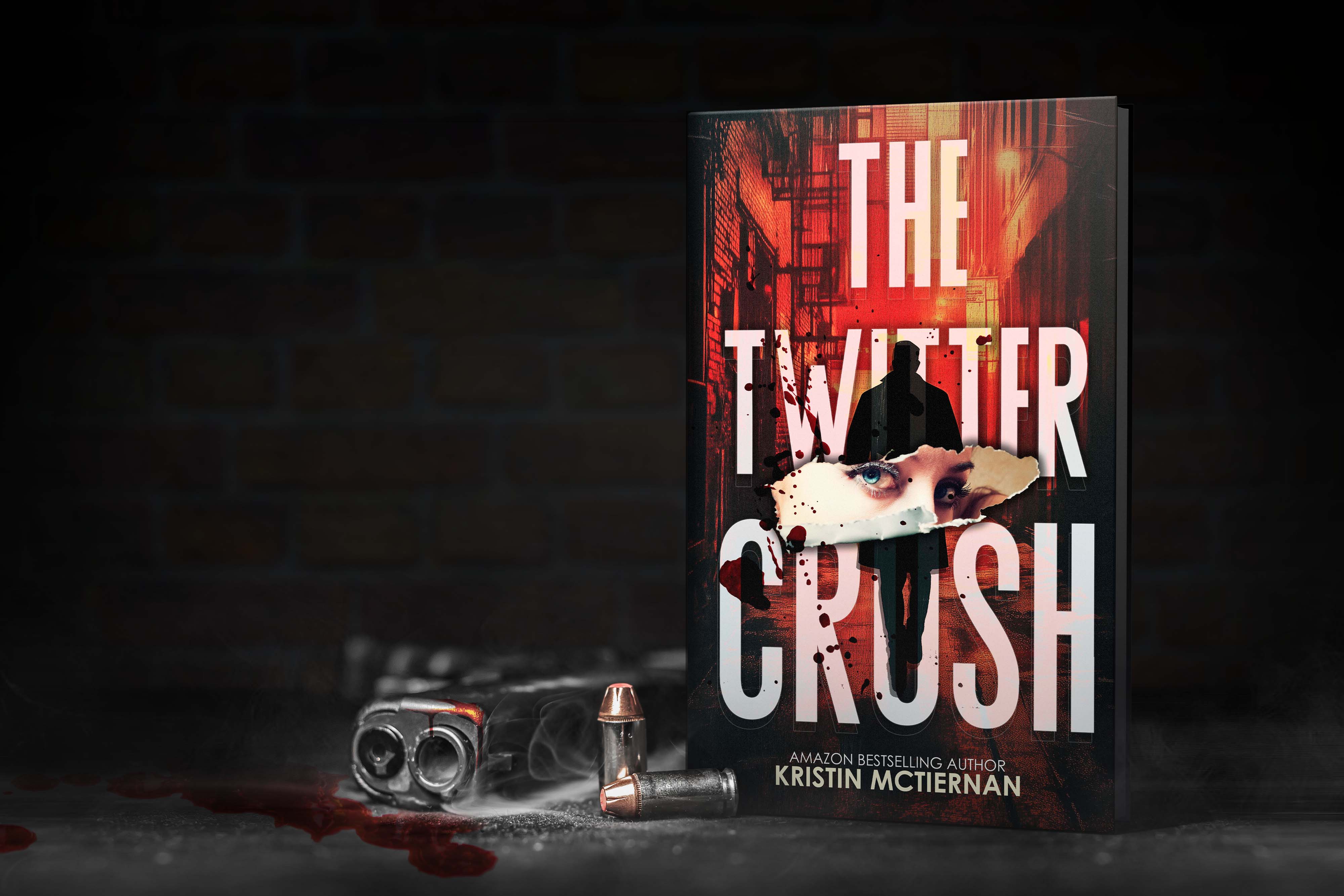
Starting today, I'm doing something different. The Twitter Crush, my psychological thriller about a ghostwriter whose client might be making critics disappear, launches as a weekly serial on Serial Journeys. Four chapters every Wednesday for ten weeks.

This isn't something I just came up with either. It's a format that has been growing in small pockets of the internet for some time—a response to how storytelling is evolving in the digital age.
The $126 Billion Web Novel Industry
While traditional publishing struggles with oversaturation, web novels are exploding. The global web novel market reached $34 billion in 2023 and is projected to hit $126 billion by 2032—a 15.63% annual growth rate that makes traditional publishing look stagnant.
The reason they’re doing so well (even though you may have never heard of them) is because web novels represent a fundamental shift in how stories connect with readers.
Platforms like Wattpad boast 90 million users. If you’ve heard of Wattpad, it probably wasn’t in a positive light. Fair enough; its users trend younger, female, and the reader base doesn’t care much about quality control. But that’s the lower end of the market.
Successful web novel authors on Patreon earn $30,000-$60,000 monthly from serialized fiction. Sites like RoyalRoad, Inkitt, and Webnovel have more discerning readers and more male-oriented genres, driving a whole market of web-based books. Some of which get picked up for traditional book publishing.
Aethon Books Revolutionizes Publishing With Royal Road Pipeline, Creating New Path For Web Novel Success
Aethon Books has pioneered an innovative business model that's transforming the publishing industry by establishing a direct pipeline from popular web fiction site Royal Road to mainstream publishing success. This strategic approach functions like a "minor leagues" system for discovering and developing literary talent, allowing publishers to identify pr…
Who's reading web novels?
- Gen Z prioritizes accessibility, interactivity, and content that reflects their values
- Millennials form the core audience, drawn to the community aspect and flexible reading formats
- Mobile-first readers consume content in bite-sized chunks throughout the day
These readers enjoy storytelling and want to interact with the author. They don’t want stylized Instagram posts about motivation. They comment, theorize, share, and build communities around ongoing stories. And most of all, they’re not interested in BokTokkers to tell them what's worth reading.
The Attention Economy
Some try to deny it, but books ARE competing with YouTube, TikTok, and video games for attention. Take it from a professional editor: Reading takes energy. And if you spend all day looking at screens, you might not have enough of it left to sit down and read a book.
But attention spans aren’t something I pearl-clutch about. We still engage deeply—just engage differently. For many readers, it’s better to have a story that fits into their fragmented schedules while building toward something larger.
And before you start sobbing about “declining standards,” I’d like to remind you that Uncle Tom’s Cabin was first published as a serial. That’s why it’s so damned repetitive. It was designed to be consumed in small portions, and Harriet Beecher Stowe slipped in reminders for the reader because she didn’t expect them to remember every minor detail of last month’s installment.
Web novels are just a modern iteration of that. Instead of demanding readers commit to a 300-page investment upfront, they offer digestible chapters that build momentum over time. Readers can discover a story, catch up quickly, and join the conversation while it's still unfolding.
The engagement data backs this up. Serial fiction readers are significantly more likely to recommend stories, engage with authors, and become loyal fans than traditional novel readers. Which, if most aspiring authors were honest, they would admit that’s what they truly want. JK Rowling money would be nice, but that isn’t why most writers are in the game.
Why The Twitter Crush Works as a Serial
This brings me to why I structured The Twitter Crush specifically for serial consumption. The story follows Jackson Reed's investigation into his client Irina Sterling and what she might be killing people to hide.
I've designed it with an epistolary, case-file approach—tweets, DMs, emails, investigative notes, police reports. Each chapter reveals new evidence, new connections, new reasons to suspect that Irina isn't who she claims to be. And neither is Jackson.
The format mirrors how we actually consume information in the digital age: fragmented, from multiple sources, requiring us to piece together the truth. It also gives you the thrill of watching a social media trainwreck unfold in real time, wondering who’s going to drop what truth-bomb next.
It’s fun to read. And it’s fun to write.
Ten weeks. Forty chapters. Free for seven days.
The first four chapters dropped today. Come give it a try. Web novels might be the reading experience you didn’t know you needed.
Subscribe to my newsletter
Subscribe to get the latest articles and news







Member discussion